
Table of contents
Flight alerts, calendar blocks, color-coded itineraries: modern travel loves control, until reality tears it up. This summer, rail strikes across Europe, wildfire disruptions in the Mediterranean, and record airport delays have again reminded travelers of a blunt truth, planning often fails at the exact moment it matters. Yet in the rubble of a ruined schedule, many discover the trips they remember most, the detours they would never have chosen, and the small breakthroughs that happen only when the plan collapses.
The day your itinerary collapses, fast
It usually starts with a notification you cannot negotiate. A cancelled connection, a museum slot that disappears, a sudden heatwave warning, or a “no service” banner on a rail app, and the carefully balanced chain reaction begins. The numbers explain why this has become so common: in 2023, European air traffic returned close to pre-pandemic volumes, and with that rebound came visible fragility, Eurocontrol’s public reporting repeatedly linked network delays to capacity constraints and weather disruption, while many airports continued to operate with tight staffing margins. Add the reality of climate volatility, from extreme heat episodes to wildfire smoke affecting visibility, and even “low-risk” routes can wobble.
When the plan fails, the first mistake is to treat it as a personal disaster rather than a system event. A travel day is an ecosystem of dependencies, and when one link breaks, your real job becomes triage: what must be saved, what can be replaced, and what should be dropped without regret. Travelers who recover fastest tend to do three things in the first hour: they secure a roof for the night, they protect the next immovable commitment, and they stop spending money in panic. That last point matters; consumer groups across Europe have long warned that stress-driven rebooking, especially at the airport, can inflate costs dramatically, while a calm pivot, even a two-hour delay before committing, often yields better fares and better beds.
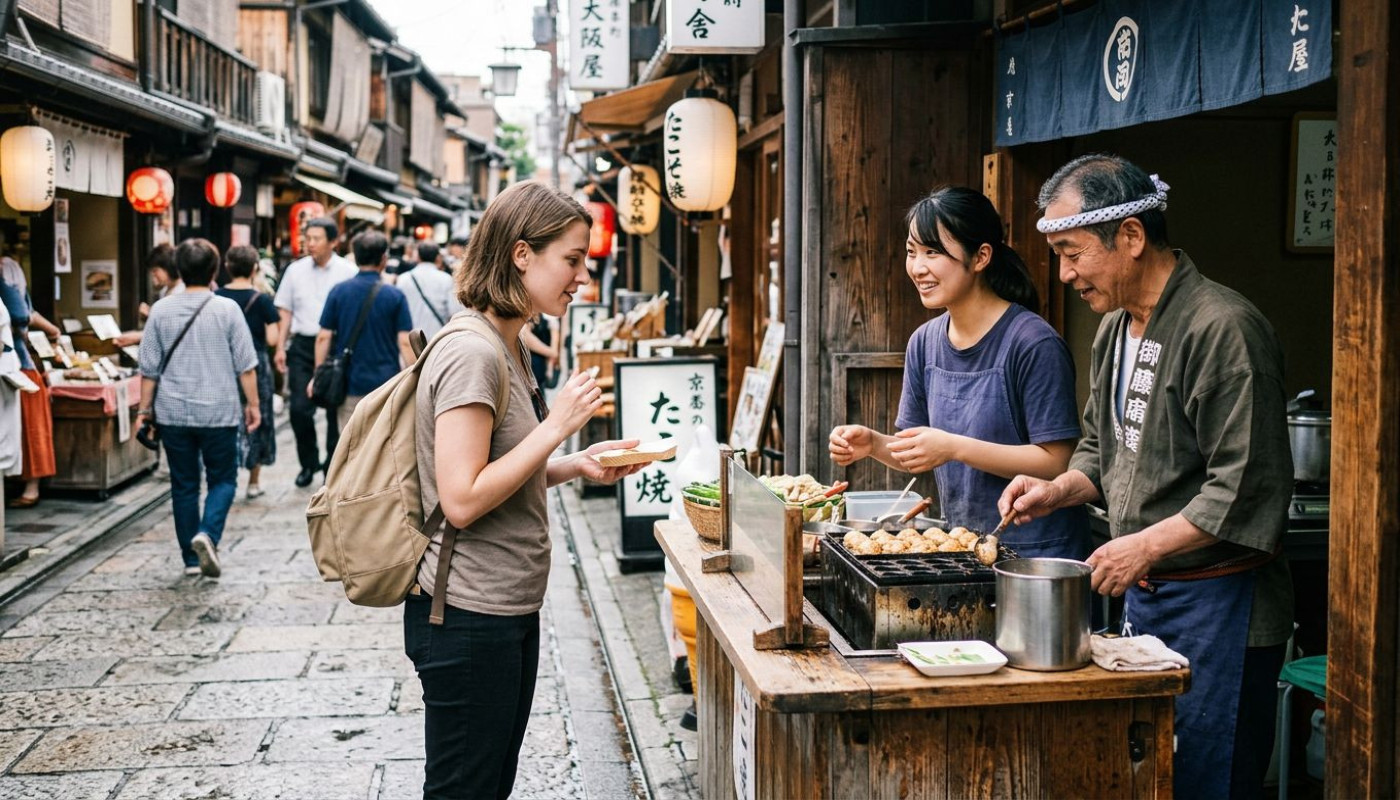
There is also a quieter breakthrough that happens in this moment, you start seeing the destination as a living place rather than a checklist. The best alternative options are rarely the most famous ones, they are the ones available now, within reach, and compatible with your energy level. That can mean swapping a packed day in the city center for a neighborhood you had not researched, taking the earlier train to a secondary station, or turning a missed reservation into a street-food evening. The point is not to romanticize disruption, it is to recognize that improvisation is a skill, and like any skill, it improves with a few repeatable moves.
Spontaneity works when logistics are simple
The myth is that spontaneous travel means “no planning at all.” In practice, the most liberating trips are built on a thin backbone of basics, and then left deliberately porous. A rough budget, a clear idea of your non-negotiables, and a shortlist of flexible options, that is the difference between serendipity and chaos. Data backs the logic: the more moving parts you lock into a single day, timed entries, prepaid transfers, multiple neighborhoods, the more your schedule behaves like dominoes, one delay and the entire stack falls. Travelers who keep one anchor per day, and stack everything else as optional, report fewer “lost days” even when disruptions hit.
Accommodation is where simplicity pays off first. Flexible cancellation policies, or at least one night you can extend, remove the pressure to relocate under stress. Transport is next: choosing fewer connections often beats the “fastest” route on paper, because a journey with one change may be technically quicker, yet far more exposed to knock-on delays. Food and activities are the easy wins: leaving meals unbooked, or keeping only one reserved experience, creates space to respond to weather, mood, and local advice. This is also where local escape games, walking tours, and indoor activities can rescue an afternoon that rain, heat, or strikes would otherwise flatten, and travelers looking for something structured but still playful often end up clicking into options they had not considered, including https://www.berlin-escape.com.
Crucially, spontaneity becomes practical when your “decision load” stays low. In an unfamiliar city, every extra choice costs time and energy, and that is why the most useful preparation is not an hour-by-hour plan, it is a handful of pre-decided rules. For example: never book a second paid activity on the same day; never plan a tight connection after 16:00; always keep one indoor option in case of weather. These are small constraints, yet they protect the very freedom travelers say they want, because you are no longer inventing a new strategy every time a plan breaks.
Turning a setback into a better story
Here is the uncomfortable truth: the trip you can fully predict rarely becomes the trip you talk about. Stories need friction, and travel stories often begin with a problem, a missed train, a wrong turn, a sudden change of plan, and then the surprising solution. The breakthrough is not the setback itself, it is the moment you stop trying to recreate the original day and start building a new one that fits the reality in front of you. Ask a simple question, “What is the best version of today now?” It sounds obvious, yet it cuts through the mental trap of chasing a schedule that has already died.
Better stories also come from smaller, more human encounters. When your plan collapses, you are more likely to ask a café owner where locals actually eat, or to follow a recommendation that never appears in a top-ten list. You may choose a tram ride just to see the city breathe, or spend two hours in a neighborhood park because it feels right. Researchers who study memory and experience have long noted that novelty and emotional intensity strengthen recall, and disruption, handled well, creates both. The traveler who adapts is not merely salvaging a day, they are manufacturing distinctiveness, and distinctiveness is what separates a blur of landmarks from a narrative you keep.
There is a practical side to this, too. When you pivot, document the pivot: take notes, save pins, record the unexpected costs and the unexpected wins. Over time, you build your own playbook, the stations that are easier to navigate, the times of day that are calmer, the types of activities that work in bad weather, and the neighborhoods that feel welcoming. That playbook becomes a private advantage on every future trip, because the moment something goes wrong, you are no longer starting from zero. You have proof, from your own past, that a broken plan can still lead somewhere good.
The new travel skill: designing for failure
Resilient travel is not pessimism, it is design. Airlines, rail networks, and cities will keep facing shocks, from staffing constraints to extreme weather, and the traveler who treats every itinerary as a fragile promise will keep feeling betrayed. The smarter approach is to build plans that assume disruption and still deliver a satisfying day. Start with buffers you can actually use: avoid stacking timed reservations back-to-back, and keep at least one “blank” window that can absorb delays. Choose meeting points and restaurants you can reach from multiple transit lines, because redundancy is the simplest form of resilience.
Money and rights matter, and they matter most when you are tired. Keep receipts, save screenshots of delay notifications, and know the basics of the protections that apply to your route. In the EU, air passengers can be entitled to care and, in certain cases, compensation under EU261, while rail passengers have their own rights framework; eligibility depends on the cause of disruption and the length of delay, so documentation is not bureaucracy, it is leverage. Meanwhile, the best “insurance” is often behavioral: do not let sunk-cost thinking push you into expensive salvage missions, and do not chase every lost booking if the replacement day could be calmer and cheaper.
Finally, design your trip around experiences that scale. A great city day is not ruined because one flagship museum is sold out, if you have three alternative experiences that feel meaningful at different energy levels. That could be a market, a viewpoint, a neighborhood walk, an indoor activity, or a small group experience you can book last-minute. The goal is not to avoid spontaneity, it is to contain the downside when spontaneity is forced upon you. When planning fails, the travelers who thrive are not the luckiest, they are the ones whose plans were never a single point of failure.
How to book smarter next time
Reserve only the experiences you truly cannot miss, and keep the rest flexible. Set a realistic daily budget that includes a disruption buffer, and check what refunds or passenger-rights claims may apply before you pay again. If you are traveling in peak season, book at least your first night early, then leave space for last-minute decisions driven by weather, crowds, and local advice.
Similar

Packing Mistakes You Won't Make Twice—travellers Share Hard-won Advice
What Locals Really Wish Travelers Knew Before Visiting

Why Lesser-known Destinations Are Reshaping Adventure Travel

Exploring Reservation Psychology: What Drives Instant Booking?

How To Find Hidden Gem Hotels In Paris For A Memorable Stay

How To Choose The Right Gear For Your Mountain Adventure?

Enjoy the most comfortable and stunning vacation rentals on the island of Sint Maarten
